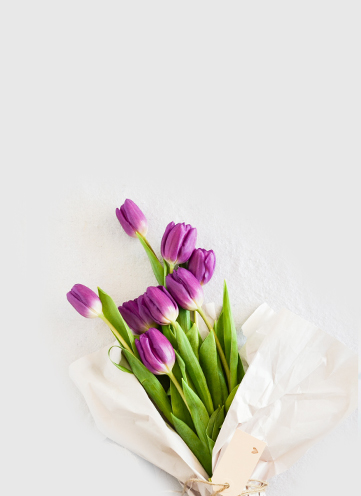
Floral Therapy: The Unexpected Mood Enhancer
Posted on 21/05/2025
An Introduction to Floral Therapy: The Unexpected Mood Enhancer
Floral therapy--sometimes called flower therapy--has blossomed as a holistic approach for improving well-being, emotional health, and mood. Known as "the unexpected mood enhancer," this practice harnesses the soothing power of flowers to uplift spirits, encourage mindfulness, and promote mental and emotional balance. In this comprehensive article, we'll explore the science, benefits, and practical ways to integrate floral therapy into your life. Whether you're a skeptic or a seasoned gardener, by the end, you'll see flowers in a whole new light.
The Science Behind Floral Therapy and Mood Enhancement
Throughout history, flowers have been valued for their beauty, fragrance, and healing abilities. Recent scientific studies confirm what ancient cultures inherently knew--flowers can notably improve emotional well-being. But what is it about floral therapy that makes it such a powerful mood enhancer?
The Psychological Impact of Flowers
The presence of fresh blooms and vibrant colors can evoke strong emotional responses. Research published in journals such as "Evolutionary Psychology" and "Complementary Therapies in Medicine" suggests that the sight and scent of flowers trigger positive feelings, reduce stress hormones, and even alleviate anxiety and depression symptoms.
- Visual stimulation: The natural symmetry, colors, and patterns of flowers stimulate the brain's reward centers, releasing dopamine and serotonin.
- Scent impact: Essential oils derived from flowers, such as lavender or jasmine, are known to lower heart rate and ease feelings of tension.
- Symbolic meaning: Flowers often symbolize love, hope, and renewal, unconsciously evoking uplifting emotions.
Physical Responses to Floral Scents
Working with flowers or simply inhaling their natural fragrances has measurable physical effects. Certain floral scents have been scientifically proven to:
- Reduce blood pressure
- Lower cortisol (stress hormone) levels
- Improve sleep quality and relaxation
- Enhance focus and mental clarity
The Surprising Benefits of Floral Healing for Mental Health
Floral healing, or using flowers as a therapeutic tool, is a practice adopted by therapists, wellness coaches, and everyday individuals alike. What exactly can flower therapy do for your mental health? Let's dig deeper.
Stress Reduction and Anxiety Management
Experiencing stress is part of modern life, but floral therapy offers natural relief. Arranging flowers, spending time in gardens, or even viewing images of lush floral landscapes has been shown to:
- Calm the nervous system, thanks to the tranquil association with nature.
- Promote mindfulness by focusing attention on beauty and creativity.
- Diminish cortisol levels, making it easier to cope with challenging situations.
Boosting Happiness and Emotional Connection
One of the most remarkable, yet often underrated, effects of floral therapy is its power to foster joy and social bonding. Gifting, receiving, and sharing flowers physically demonstrates care, appreciation, and affection.
- Elevated happiness: Studies show people feel less anxious and more satisfied after receiving flowers compared to other gifts.
- Strengthened bonds: Sharing bouquets creates moments of positive interaction and strengthens social ties.
- Lasting positivity: The emotional boost from receiving or interacting with flowers can last for days.
Support for Grief and Trauma
Throughout history, flowers have been a symbol of remembrance and compassion. Therapeutic engagement with flowers helps individuals process grief or trauma by:
- Providing comfort through soothing scents and tactile experiences
- Serving as ritual objects for honoring loved ones and expressing emotions non-verbally
- Facilitating emotional release and healing through creative floral arrangements
Popular Flower Therapy Methods for Emotional Well-Being
Floral therapy encompasses a wide variety of practices. No matter your lifestyle or schedule, there's a flower-based approach suited to your needs. Explore these popular methods:
1. Flower Arranging as Mindful Therapy
The mindful process of selecting, trimming, and arranging fresh flowers can be deeply meditative. Flower arranging allows you to:
- Express creativity and personal style
- Focus on the present moment, reducing worries
- Enjoy multisensory stimulation--sight, touch, smell
Taking time to create your own bouquet or display can become a cherished ritual, serving as a daily mood enhancer.
2. Therapeutic Gardening
Cultivating a flower garden is more than just a hobby; it's a profound form of floral therapy. The act of planting, nurturing, and watching flowers grow:
- Connects you to the rhythms of nature
- Provides gentle physical exercise
- Offers a sense of accomplishment as flowers bloom under your care
- Enriches your environment with fresh, mood-boosting blossoms
3. Aromatherapy and Flower Essence Remedies
Floral aromatherapy uses the essential oils and extracts of blooms such as lavender, rose, ylang-ylang, and chamomile to influence emotions. Flower essences, a homeopathic remedy introduced by Dr. Edward Bach, are also popular alternatives for emotional healing.
- Diffuse oils or place fresh flowers in living spaces to create a calming, pleasant environment.
- Use flower essence drops or sprays for targeted emotional support (e.g., Rescue Remedy for stress and shock).
- Add floral bath products or infusions to your relaxation routine.
These methods are increasingly recognized as integral features of holistic wellness programs worldwide.
4. Flower Meditation and Visualization
Guided meditations featuring flowers help nurture mindfulness and emotional awareness. Simply visualizing your favorite flower, or breathing in its scent, can promote a sense of peace and well-being--making floral meditation a simple, accessible mood enhancer.
Best Flowers for Mood Enhancement
Not all flowers are created equal when it comes to their mood-enhancing properties. Here's a look at some of the top flowers for emotional well-being:
- Lavender: Deeply calming and renowned for anxiety relief
- Sunflower: Uplifting energy and positivity in bright yellow petals
- Rose: Comforting, love-inspiring, and heart-opening
- Jasmine: Fosters relaxation and emotional warmth
- Chamomile: Gentle serenity and supports restful sleep
- Peony: Associated with healing and compassion
- Lily: Promotes peace and spiritual renewal
Incorporate these blooms into your home, workspace, or wellness practice for optimal mood-boosting effects.
How to Incorporate Floral Therapy into Your Daily Life
Ready to experience the unexpected mood enhancer for yourself? Here are actionable tips for weaving floral therapy into your daily routine:
- Start your morning with fresh flowers on your breakfast table or nightstand.
- Dedicate five minutes to mindful flower arranging as a midday reset.
- Use floral-scented essential oils in diffusers or personal inhalers during stressful moments.
- Take a nature walk and immerse yourself in blooming gardens or parks.
- Create a small window box or potted garden to cultivate your own mood-enhancing oasis.
- Gift flowers mindfully to friends or colleagues to share the emotional benefits.
- Try a floral bath soak before bedtime for enhanced relaxation and sleep quality.
Consistency is key: Even small, daily interactions with flowers can build a lasting foundation of positivity and resilience.
Choosing Your Floral Therapy Approach
Floral therapy is a customizable practice. You may prefer structured approaches, such as joining a therapeutic flower arranging class, or choose a more spontaneous route, like picking wildflowers during a walk. The best flower therapy method is the one that feels accessible and enjoyable for you.
- For busy lifestyles: Opt for simple, low-maintenance bouquets or potted blooms that thrive indoors.
- Creative souls: Dive into advanced floral design, ikebana, or pressed flower art.
- Nature lovers: Establish a flower garden, or volunteer at a local botanical garden.
- Scent enthusiasts: Explore essential oils, candles, or fresh floral sachets.
Explore and experiment--let floral healing rejuvenate your sense of well-being, one petal at a time.
Is Flower Therapy Supported by Professional Therapists?
More holistic health practitioners and professional therapists are recommending flower therapy as a mood enhancer for clients coping with stress, mood disorders, or recovery from trauma. Techniques such as ecotherapy, horticultural therapy, and even hospital-based "healing gardens" incorporate flowers as core elements for emotional support and faster healing.
A growing body of research suggests integrating floral therapy into psychotherapy or counseling protocols for a gentle, supportive boost to conventional treatments. Always speak to a qualified provider to see if floral healing is right for your unique situation.
FAQs about Floral Therapy as a Mood Enhancer
- Q: Can floral therapy help with depression and anxiety?
A: While not a replacement for medical treatment, floral therapy often significantly eases depression and anxiety symptoms as part of a broader wellness strategy. - Q: How often should I practice flower therapy?
A: Even daily, small interactions with flowers (viewing, smelling, arranging) can have cumulative mood-enhancing effects. - Q: Do artificial flowers provide the same benefits?
A: While real flowers offer multisensory engagement (especially scent), high-quality artificial or preserved flower arrangements may still brighten your space and mood. - Q: Is flower therapy suitable for children?
A: Yes! Floral therapy activities make wonderful, developmentally appropriate wellness tools for kids, fostering creativity and emotional intelligence.
Conclusion: Embrace the Unexpected Mood Enhancer of Floral Therapy
In our fast-paced, technology-driven world, small moments of natural beauty can have a profound impact. Floral therapy invites us to slow down, appreciate the elegance of a single stem, and harness nature's power to transform mood, energy, and emotional health. By integrating flowers for mood enhancement into daily life, you tap into an age-old yet ever-relevant method of self-care.
Next time you need a gentle lift, look no further than the unexpected mood enhancer waiting in your garden, on your windowsill, or at your local flower shop.